
Searching the Faribault Court Docket
Begin with the paper itself. An orange parking ticket, a snow-removal ticket, and a Minnesota citation each point to a different office. Faribault runs no separate municipal court docket portal of its own. Instead, filed Faribault cases sit inside the unified Rice County District Court record. You search them through Minnesota Court Records Online, or MCRO. Keep in mind that a city administrative ticket can exist before any court case does. It can also exist without one at all. So the document, not the city name, sets your starting point.
- Read the issuing agency, ticket color or type, date, and response instruction on the Faribault paper.
- For a city parking or snow-removal ticket, use the Faribault Finance or Police route printed on that ticket.
- For a Minnesota citation or a court notice, open MCRO and select Case Search. Choose Rice as the court location when narrowing a Faribault matter.
- Search by a complete case or citation number when available. A name search can be narrowed by filing date, category, and location.
- Confirm an upcoming setting through the court notice, daily calendar, or Rice Court Administration before appearing.
MCRO offers more than one tool. Document Search, Hearing Search, and Judgment Search each cover a different slice of the record. What MCRO is not: a Faribault city ticket-payment system. A hit may return a Register of Actions, the running log of case events, along with any public documents eligible for viewing. A blank result has several possible meanings. The matter could still be administrative, not yet entered, too old, filed somewhere else, or limited in remote access.
Faribault Ticket Record Routing
Ask one question first: city administrative ticket, or court filing? That answer routes your Faribault record search. The city's Finance office collects police-issued parking and snow-removal tickets. That channel is administrative, not judicial. A state-law charge or a misdemeanor can instead become a Rice District Court case. A designated payable ordinance case can too. The first paper you received controls the path. So keep it along with its ticket or citation number.
| Paper in hand | First route | Docket result |
|---|---|---|
| Orange city parking ticket | Faribault Finance or Police review | Not a separate court docket |
| Snow-removal ticket | Faribault city instructions | May remain administrative |
| Minnesota citation or court notice | MCRO, CPC, or Rice Court Administration | May have a Rice court record |
Faribault's parking-ticket information is the official source for the city route.
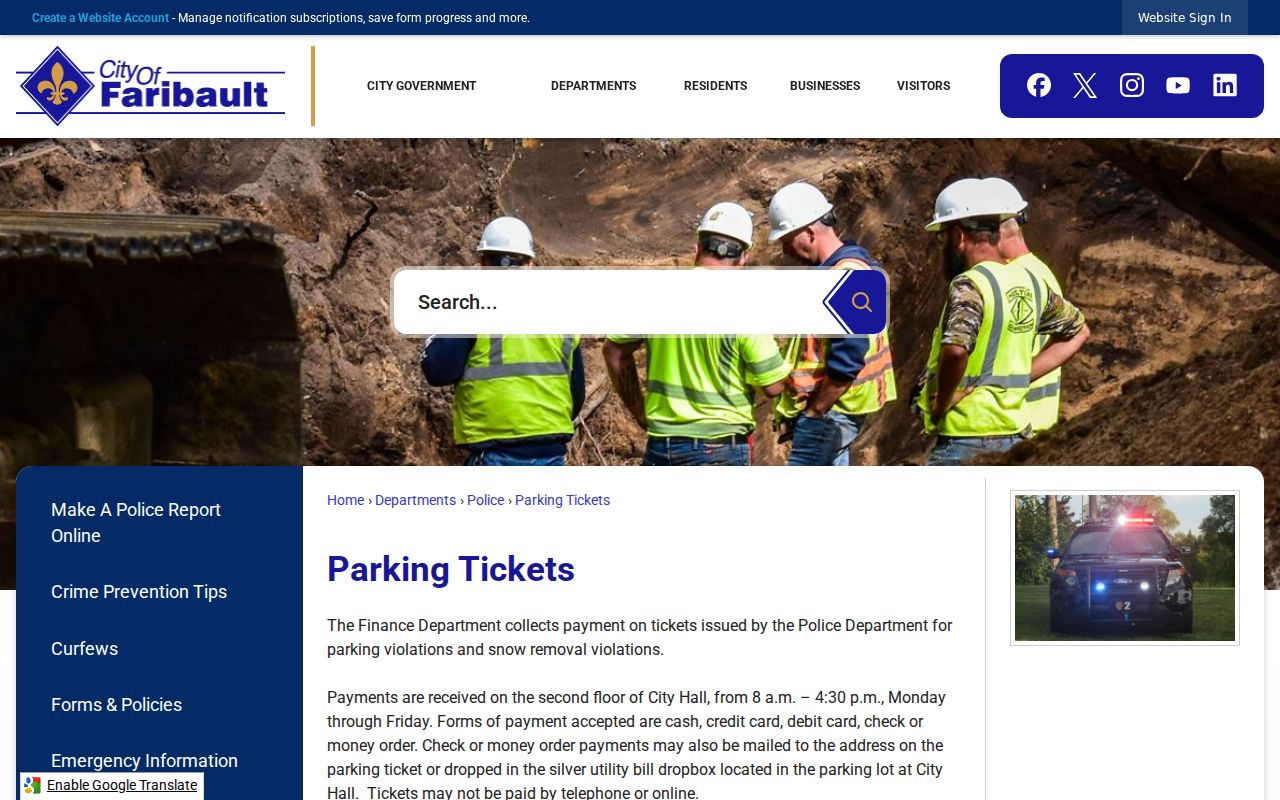
The practical split is simple. A Faribault city ticket gets identified and handled through city instructions before anyone treats it as a Rice court record.
Faribault Municipal Court Basics
Faribault has no standalone municipal court docket. Minnesota sends filed Faribault-origin cases to the unified Rice County District Court, part of the Minnesota District Court system. That court handles county-filed civil, family, probate, juvenile, criminal, and traffic cases. A Faribault administrative citation, by itself, creates no municipal case and no searchable municipal docket. City enforcement still counts for something. Faribault assigns in-progress parking and loose-dog matters to police community service, while Building Code Division and Fire and Code Services handle other ordinance issues. The city can work through compliance letters and administrative citations, with traditional criminal or civil court still available depending on the violation. What decides where the record lives is whether a matter was filed, not simply that it arose in Faribault.
Faribault City Hall Records
Two public counters, two different jobs. Faribault City Hall sits at 208 First Avenue NW. It handles city business such as a parking-ticket payment or appeal. Court Administration at the Rice County Courthouse, 218 N.W. Third Street, Suite 300, Faribault, holds any filed court record. Keeping those roles straight keeps you from bringing a court-record request to a city administrative counter. For scale, the official 2020 Census place table lists Faribault at 24,453 people.
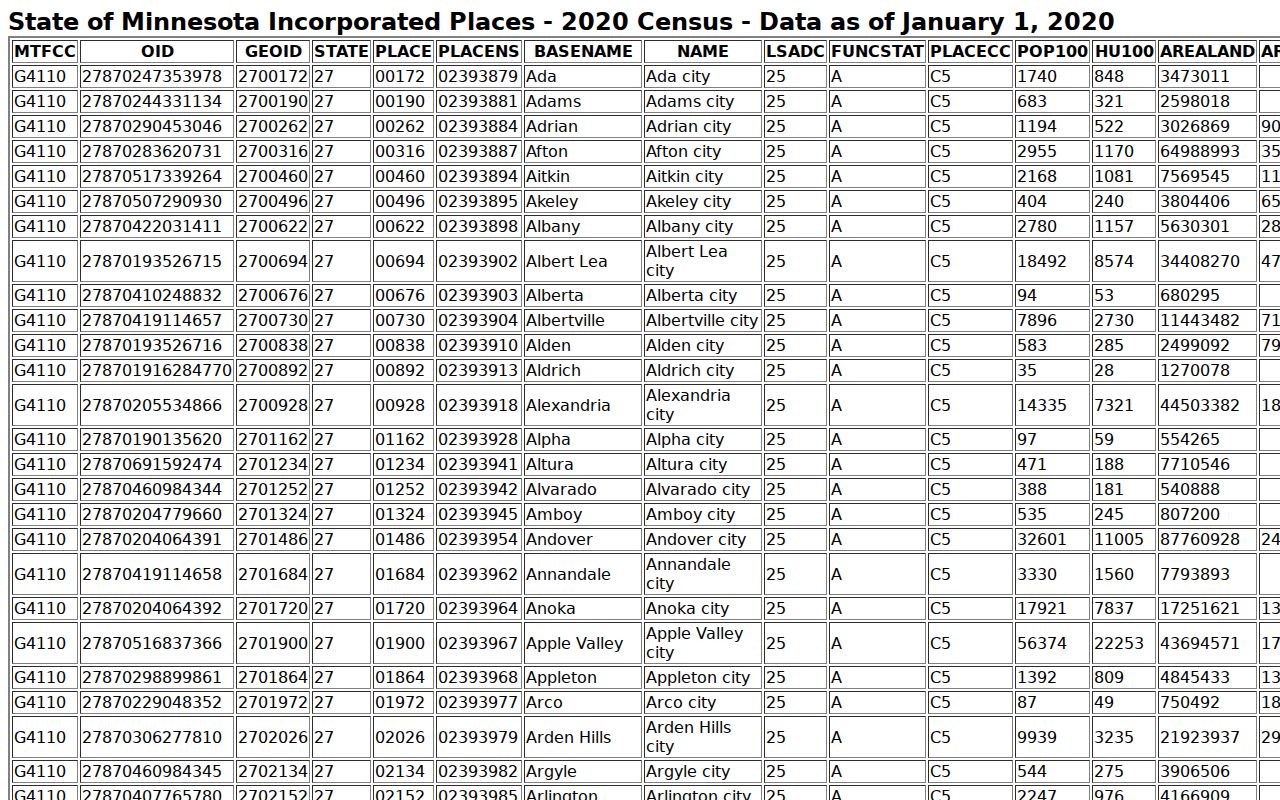
The population figure only tells you where Faribault ranks among cities. It says nothing about a court record setup of its own. Case records still run through the county's Court Administration office.
Have a filed case in mind? Call Court Administration at (507) 497-7134. Staff will point you to the public terminal or the counter during court hours. That office is also the best fallback for older material or a certified copy. It works when a record that MCRO will not display remotely.
Court Dates and Settings in Faribault
A filed Faribault case appears on a Rice District Court calendar. It is never a city docket call. Two tools serve searchers here. One is the Rice daily calendar, a searchable next-day PDF. The other is MCRO Hearing Search, which filters by name, case number, judicial officer, attorney, date, category, and location. A calendar listing helps. But the served notice or court order controls any particular appearance.
| Hearing date and time | A scheduled court event, not a decision or disposition. |
|---|---|
| Hearing location | A courtroom, Zoom Session, or other listed connection clue. |
| Hearing type | The setting label, such as arraignment, pretrial, motion hearing, or violation hearing. |
| Judicial officer | A public calendar field that helps verify the setting. |
| Case number | The Rice MNCIS identifier, commonly beginning with county code 66 once filed. |
Rice posts the next-day calendar at 7:00 p.m. and refreshes it hourly starting at 7:00 a.m. A missing entry does not mean your Faribault hearing was canceled or reset. If the notice, MCRO, and the calendar disagree, call Court Administration.
Faribault Calendar Record Checks
The Rice daily calendar is an Alpha Roster report. Party name, location, date and time, judicial officer, hearing type, connection type, and case number can all appear there. It is not the full Register of Actions. Anyone running a Faribault docket check should set the PDF beside MCRO and the individual notice, above all when the calendar reads Zoom Session or the setting has shifted. A remote listing is a connection clue, nothing more. Rice policy materials note that some hearings run on Zoom, and an in-person courtroom may sit locked when the hearing is remote. The courthouse provides staff help and public Zoom rooms. Faribault residents should rely on the court notice and Court Administration rather than assume city hall can supply a court connection.
Traffic Tickets in Faribault
A Faribault traffic ticket can travel one of two routes. Parking and snow-removal tickets written by city police go to Finance, on the second floor of City Hall. Its counter hours are Monday through Friday from 8:00 a.m. to 4:30 p.m. Cash, card, check, and money order all work there. Telephone and online payment are not offered for those tickets, according to the city. Mail a check or money order to the address printed on the ticket. Or use the silver utility-bill drop box the city lists.
A Minnesota traffic citation works differently. Search the citation or case number in MCRO. Or call Rice Court Administration. You can also reach the Minnesota Court Payment Center at (800) 657-3611 for traffic and fine information. Paying at City Hall does not replace the CPC. And the CPC cannot handle a Faribault orange-ticket appeal. For the full state citation path, see the countywide Traffic Tickets resource.
Faribault Orange Ticket Appeals
Faribault lets drivers fight an orange parking ticket through a city appeal form. Police review that appeal. The review stays administrative. It is not a court hearing. An orange ticket will not carry an MCRO case number on its own. Keep the ticket number, the ticket type, any payment already made, and the appeal instructions in one place. The right Faribault office needs all of them to identify the matter. The city's ordinance-enforcement information covers administrative citations. It also explains when a matter may be referred to court.
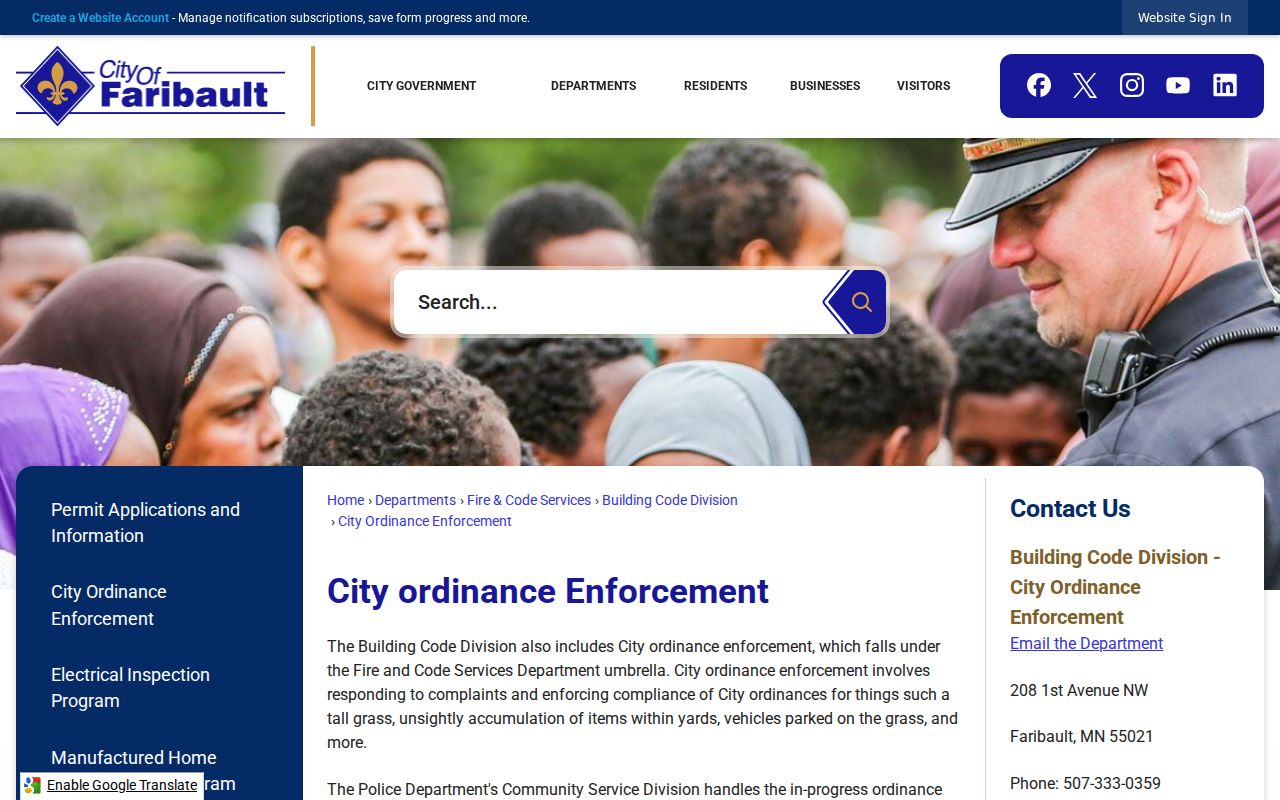
The ordinance confirms the split. A Faribault administrative citation and a filed Rice court case are two related possibilities, not one record.
Where Faribault Cases Go
A Faribault matter that gets filed becomes a Rice County District Court case. There is no separate local municipal docket. MCRO serves as the remote public portal for that state court record. Set the court location filter to Rice. Then confirm the case number, filing date, category, and case events. One caution applies. A state court citation may not show up until law enforcement files or enters it.
Docket flow: Faribault city administrative notice › city payment or appeal route; filed Faribault case › Rice County District Court › Minnesota District Court record in MCRO.
Rice case numbers carry county code 66. Formats like 66-VB-26-0000 and 66-CR-26-0000 are synthetic, showing structure rather than real cases. A citation number and a case number are different keys. Keep both when the paperwork lists them.
Faribault MCRO Court Records
MCRO Case Search handles several search types. Person, business, attorney, complete case number, and complete citation number all work. For names, choose Rice under Court Locations first. Filing date, case status, and case category work best as filters, not starting points. Sort results newest first or oldest first as needed. The public interface caps results at 200. Match any Register of Actions to the correct case number before relying on it. The Minnesota court-rules portal is the official entry point. It holds the access rules behind a Faribault court docket.
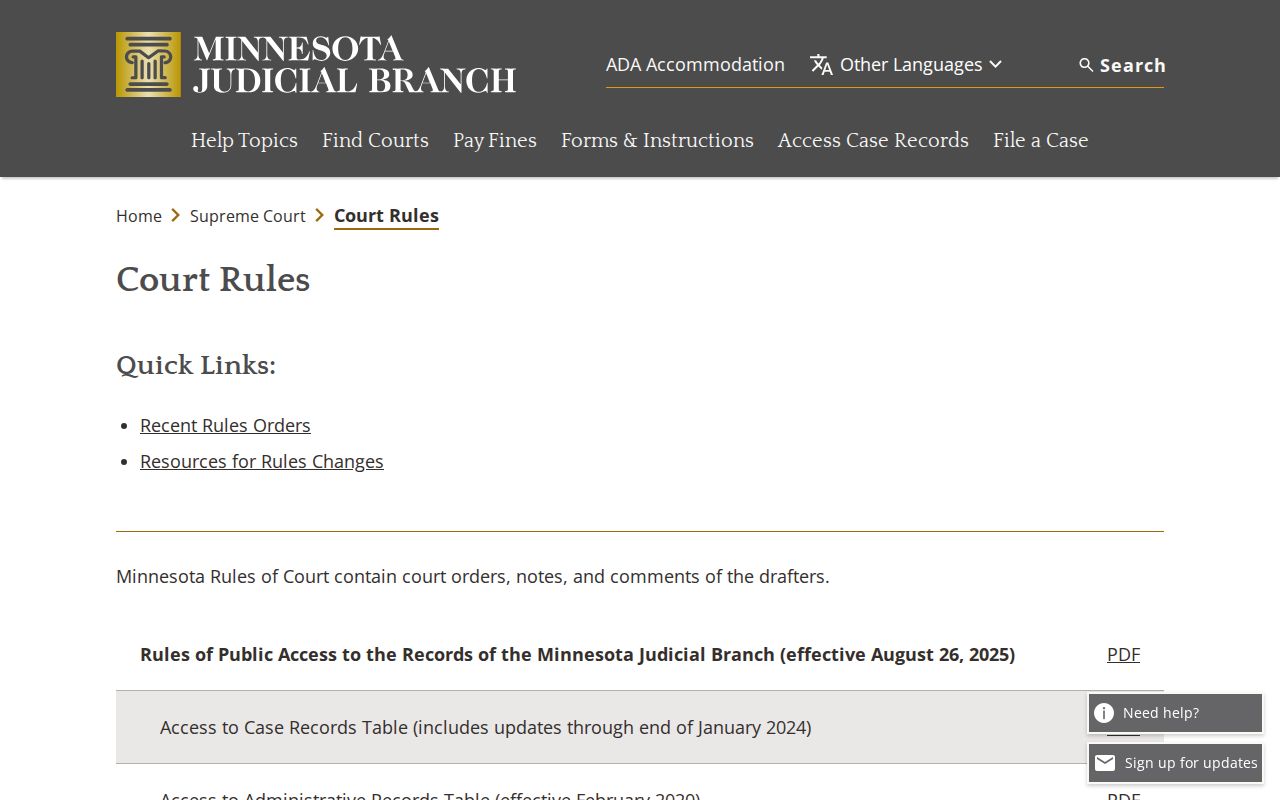
Those statewide rules govern the Rice court record once a Faribault matter is filed. They do not create any city docket database.
Faribault Court Record Access Rules
Minnesota court-record rules control public access to a filed Faribault case. MCRO shares many public case details and eligible documents at no charge. Still, remote access is narrower than inspecting the file at the courthouse. A city administrative ticket must be requested from the Faribault office that holds it. For a Rice court file, start with MCRO. Then turn to Court Administration for courthouse, phone, or copy-request help.
Rule 4, Rule 7, and Rule 8: Rule 4 states the general public-access framework. Rule 7 permits an oral or written request that identifies the record sufficiently. Rule 8 distinguishes courthouse inspection from narrower remote access and protects specified records and identifiers.
A blank search result says nothing about a restricted or sealed record. The court offers a CON100/CON101 process for qualified access requests. A strong request names the case number, the party or business, the document or event, and the date range. Add the copy type wanted and the delivery preference. Court Administration can confirm the local route and any fee first.
Faribault Rule 8 Record Limits
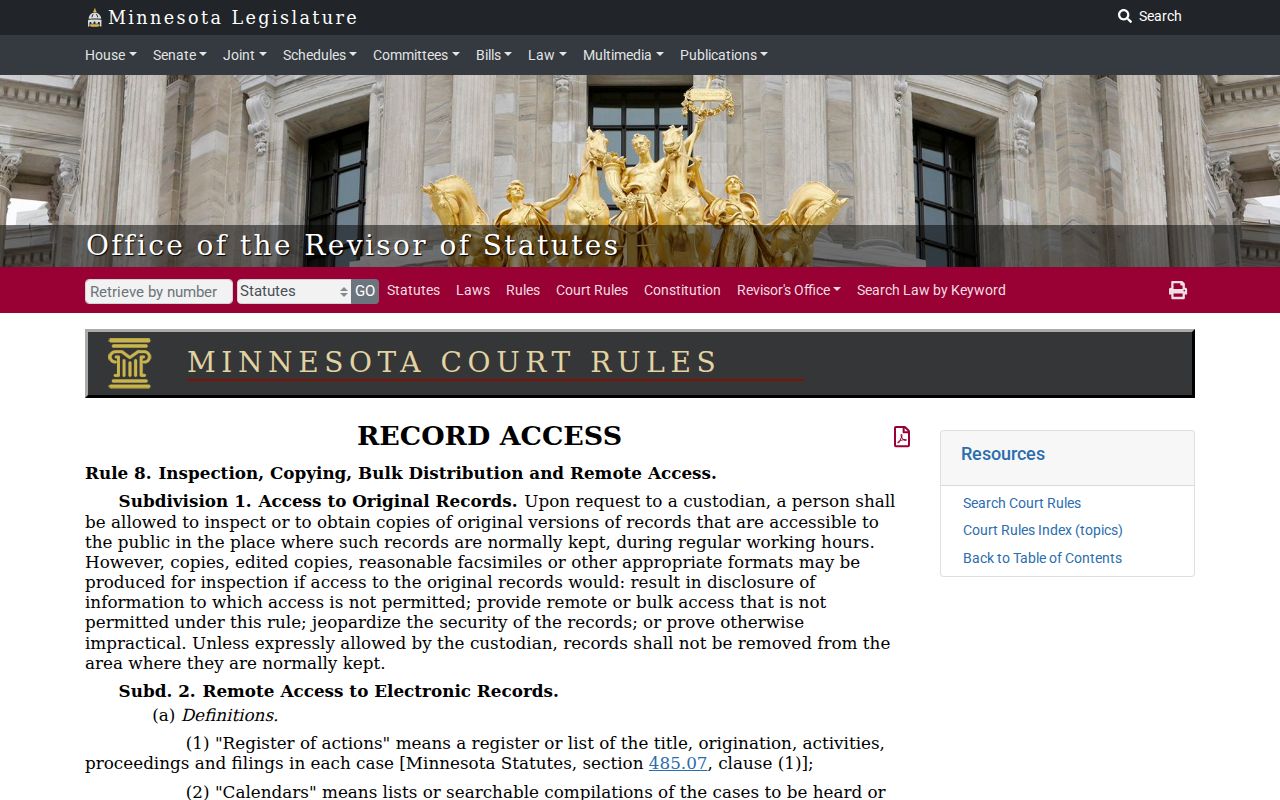
Rule 8 matters most in one situation: a Faribault court docket is public but a document you expect is missing online. Protected case types, confidential identifiers, older material, and documents outside remote coverage may all require extra steps. That could mean a courthouse-terminal question or a copy request. A missing online display proves nothing. It does not mean the case was never filed. It is not permission to hunt for restricted information elsewhere. The Rule 8 source spells out the remote-access boundary.
The access rules call for a careful Faribault record search. Go to the office that actually holds the record. Confirm the court's current access direction before proceeding.
A city ticket, an appeal path, a court paper, a filing date, and a case number each mark a different stage of a Faribault matter. Keep those details together before asking city staff or Court Administration to locate anything. That way a Faribault resident can verify a city record without mislabeling it as a court file. A case search then reaches the right Rice office.
Note: Court Administration, not Faribault city hall, is the contact for any filed Rice District Court record. It also handles questions about a record's public-access status.